
Every Spanish sentence you will ever say runs on a verb, and four verbs carry more weight than all the others combined: ser, estar, tener and poder. This hub is my map of Spanish verb conjugation for those four, in the order I have taught them for 40 years.
Why these four before anything else? Because they answer the first questions you ask in any language: who am I, how am I, what do I have, what can I do. Conjugate them in the present and you can introduce yourself, describe your day, explain a problem and ask for help. Everything else in Spanish verb conjugation is built on this foundation, so I never let students skip it.
The order that works
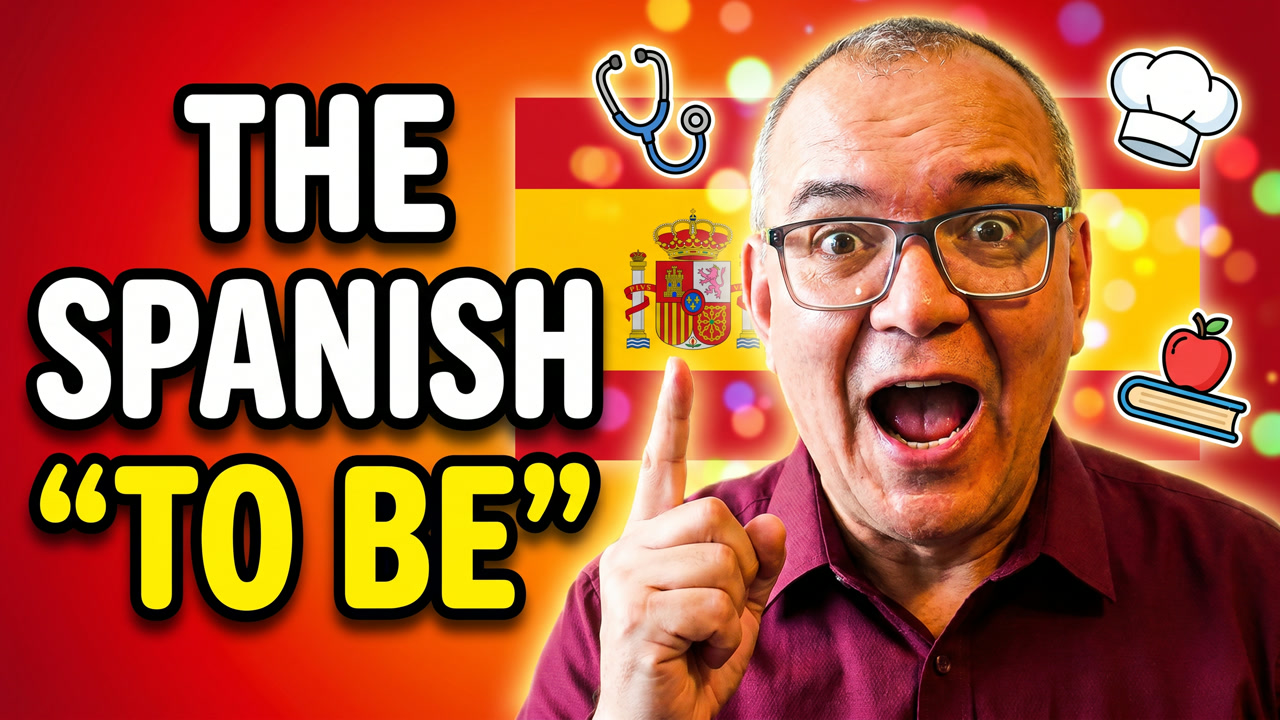
Start with ser conjugation. Ser is the verb of identity: soy profesor (I'm a teacher), somos de Texas (we're from Texas). It is wildly irregular, which is exactly why I teach it first. You learn soy, eres, es, somos, sois, son as a chant, and the rhythm of Spanish endings starts to sink in without you noticing.
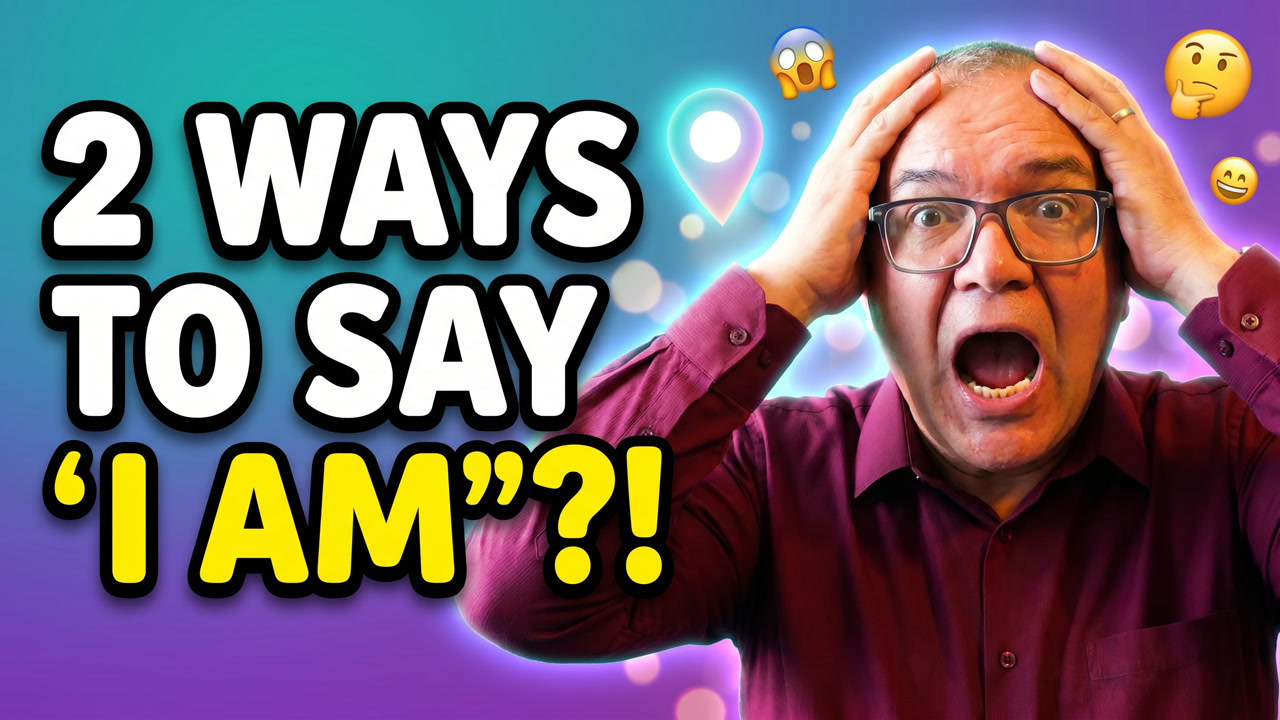
Then meet its twin in ser vs estar. Spanish has a second "to be," estar, for states and locations: estoy cansado (I'm tired), estamos en Madrid (we're in Madrid). Most of the mistakes I hear from English speakers come from picking the wrong one, so the comparison comes right after ser, while the first verb is still fresh.
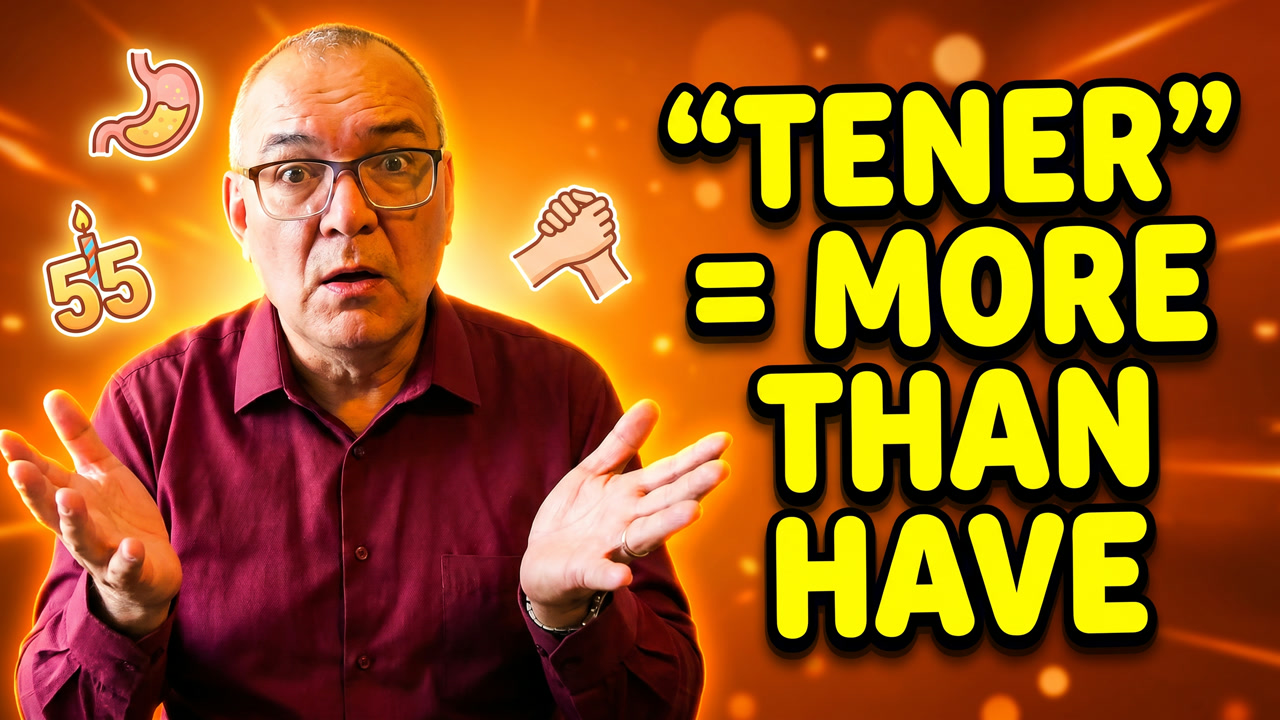
Third, tener conjugation. Tener means "to have," but Spanish also uses it where English says "to be": tengo hambre (I'm hungry), tengo 40 años (I'm 40). It is also your first stem-changing verb (tienes, tiene, tienen) and the base of tener que, the everyday way to say "have to."
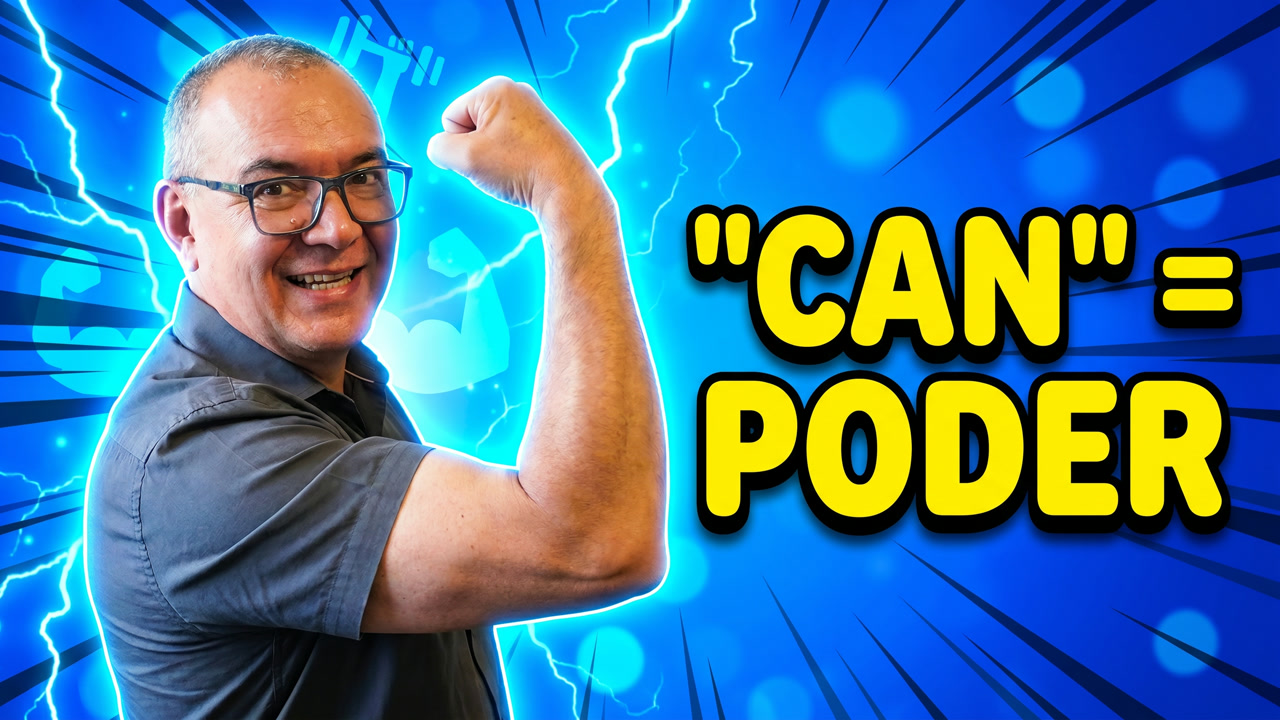
Finish with poder conjugation. Poder is "can": ¿puedo pasar? (can I come in?), no puedo ir (I can't go). It shares the o→ue stem change with dozens of other verbs, and it is the gateway to the whole family of Spanish modal verbs.
Once these four are automatic, move on to the regular -ar, -er, -ir patterns and the other tenses in the Spanish tenses hub. You will find that every new tense reuses the habits you build here: watch the subject, find the stem, add the ending.
| Lesson | Form / formula | Example | Use it when… |
|---|---|---|---|
| Ser conjugation | soy, eres, es, somos, sois, son | Soy de Chicago. — I'm from Chicago. | identity, origin, profession, time and date |
| Ser vs estar | ser = what it is · estar = how / where it is | Es alto y está cansado. — He's tall and he's tired. | you have to choose between the two "to be" |
| Tener conjugation | tengo, tienes, tiene, tenemos, tenéis, tienen | Tengo dos hijos. — I have two kids. | possession, age, hunger, fear; tener que = have to |
| Poder conjugation | puedo, puedes, puede, podemos, podéis, pueden + infinitive | ¿Puedes ayudarme? — Can you help me? | ability, permission and polite requests |
Take one lesson per week, not one per day. Watch the video, write six sentences about your own life with the verb, and say them out loud every morning. By the end of the month you will have the four verbs that carry a conversation, and the rest of Spanish verb conjugation will feel like variations on a theme you already know.