
Verbs get all the attention, but the words that trip up my beginners most are the small ones: el or la, un or una, mi or mis, lo or le. This hub covers basic Spanish grammar in five lessons, the little words that sit around the verb and make a sentence sound Spanish instead of translated.
The thread running through all five is agreement. In Spanish, nouns have gender and number, and the words attached to them, articles, possessives and pronouns, change to match. Learn that habit once with the articles, and the rest of basic Spanish grammar follows the same logic.
Five lessons, one habit: agreement
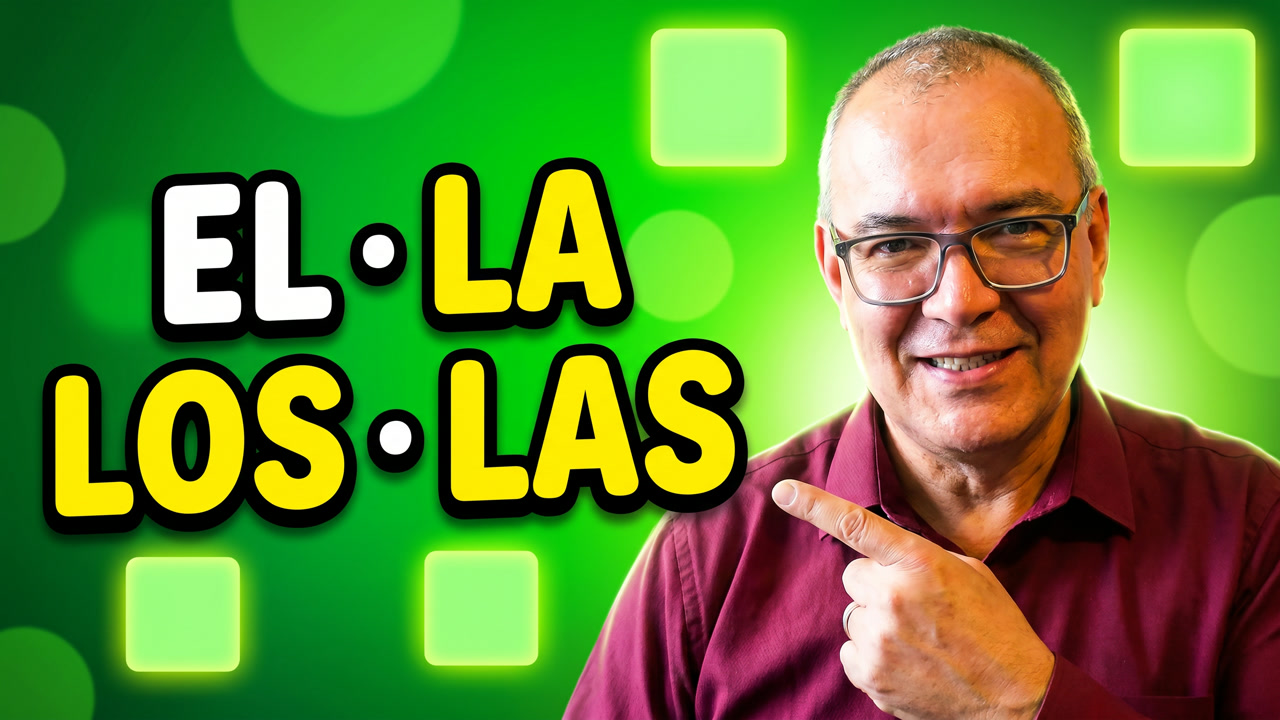
1. Spanish definite articles. El, la, los, las, the four ways to say "the." El libro está en la mesa. (The book is on the table.) This lesson also teaches you when Spanish uses "the" where English drops it: me gusta el café (I like coffee).
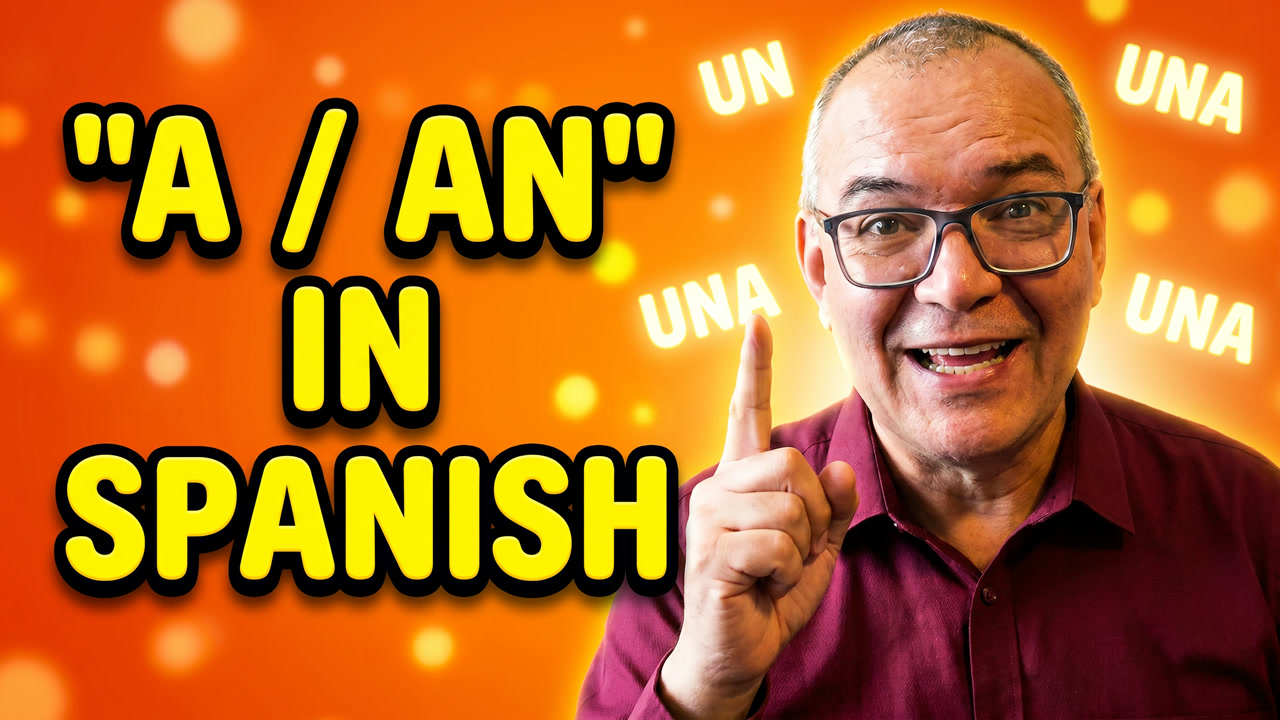
2. Spanish indefinite articles. Un, una, unos, unas for "a," "an" and "some": Tengo una pregunta. (I have a question.) Just as important is when to leave the article out: soy profesor, not soy un profesor.
3. Spanish possessive adjectives. Mi, tu, su, nuestro, vuestro, su, and their plurals. Mis padres viven en Lima. (My parents live in Lima.) The catch English speakers miss: the possessive agrees with the thing owned, not the owner, so su casa can be his, her, your or their house.
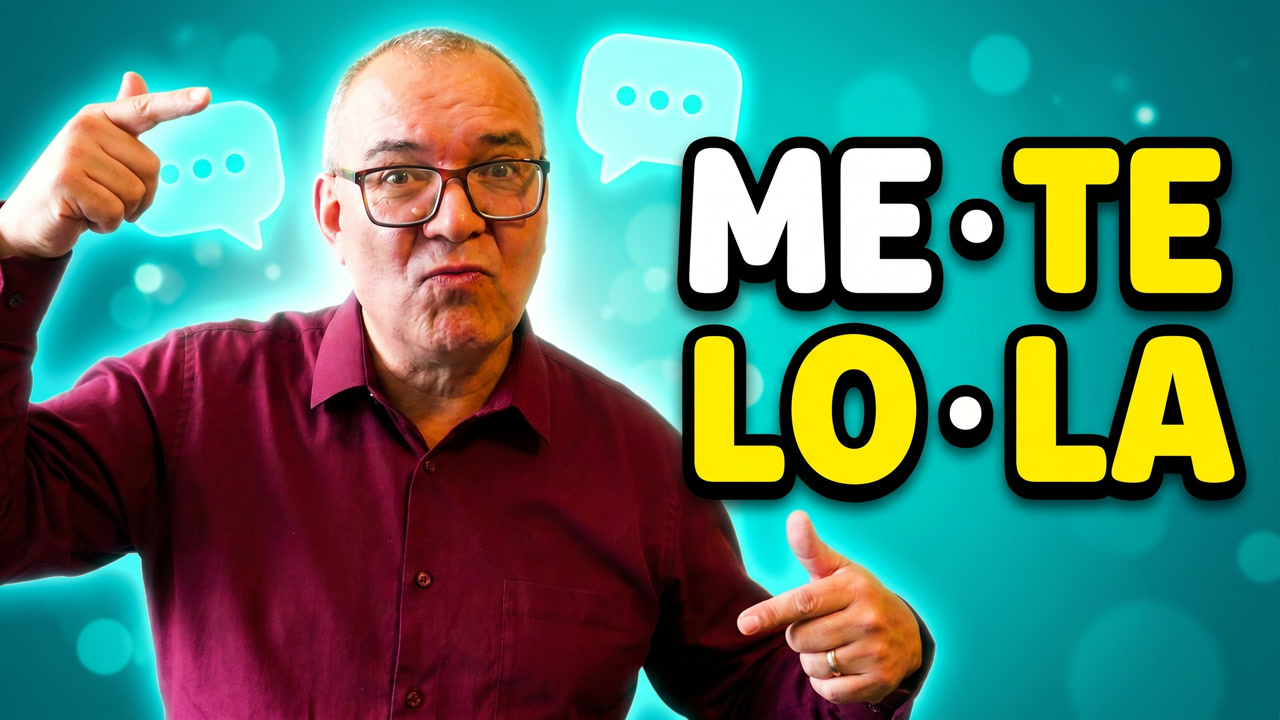
4. Spanish object pronouns. Me, te, lo, la, nos, os, los, las for direct objects and le, les for indirect: Lo compré ayer. (I bought it yesterday.) Le mandé un mensaje. (I sent her a message.) The lesson also settles the big question of where the pronoun goes: before the verb, or attached to the infinitive.
5. Spanish question words. Qué, quién, dónde, cuándo, por qué, cómo, cuánto: ¿Dónde está el baño? (Where is the bathroom?) With these seven words and the verbs from the first hubs, you can ask for anything you need in a Spanish-speaking country.
These five lessons pair naturally with the Spanish verb conjugation hub: the small words go around the verb, so learning both at the same time is the fastest route to full sentences. When you are comfortable with articles and pronouns, the next set of small words is waiting in the Spanish prepositions hub.
| Lesson | Form / formula | Example | Use it when… |
|---|---|---|---|
| Definite articles | el, la, los, las (= the) | Las llaves están aquí. — The keys are here. | a specific noun, or a noun in general (me gusta el té) |
| Indefinite articles | un, una, unos, unas (= a / an / some) | Quiero un café. — I want a coffee. | an unspecified noun; dropped after ser + profession |
| Possessive adjectives | mi(s), tu(s), su(s), nuestro/a(s), vuestro/a(s), su(s) | Nuestra casa es pequeña. — Our house is small. | showing who something belongs to; agrees with the noun |
| Object pronouns | me, te, lo/la, nos, os, los/las · le, les | Te lo mando mañana. — I'll send it to you tomorrow. | replacing a noun already mentioned; placed before the verb |
| Question words | qué, quién, dónde, cuándo, por qué, cómo, cuánto | ¿Cuánto cuesta? — How much does it cost? | asking open questions; always with an accent mark |
Never learn a noun alone. Learn it with its article, la mesa, el problema, and say it with a possessive the next day, mi mesa, su problema. By the time you reach the object pronouns, gender and number will already be a reflex, and basic Spanish grammar will feel less like rules and more like rhythm.